Packaging design trends change with the seasons. One year, bold geometric designs and clashing colors dominate; the next, earthy tones and minimalism take the stage. In 2023, the leading trends included transparency, eco-friendly natural colors, minimalism, maximalism, and retro styles. However, the most important thing is to understand what customers are looking for and what type of packaging suits their product. A maximalist trend may not be the best choice for an eco-friendly and minimalist brand.
1.Transparent Packaging Transparency through windows and product packaging has been a part of the packaging industry for decades and is a common design element used in food packaging. However, transparent packaging is experiencing a renaissance due to the demand for ingredient transparency, the minimalist design trend, and innovations in custom packaging.
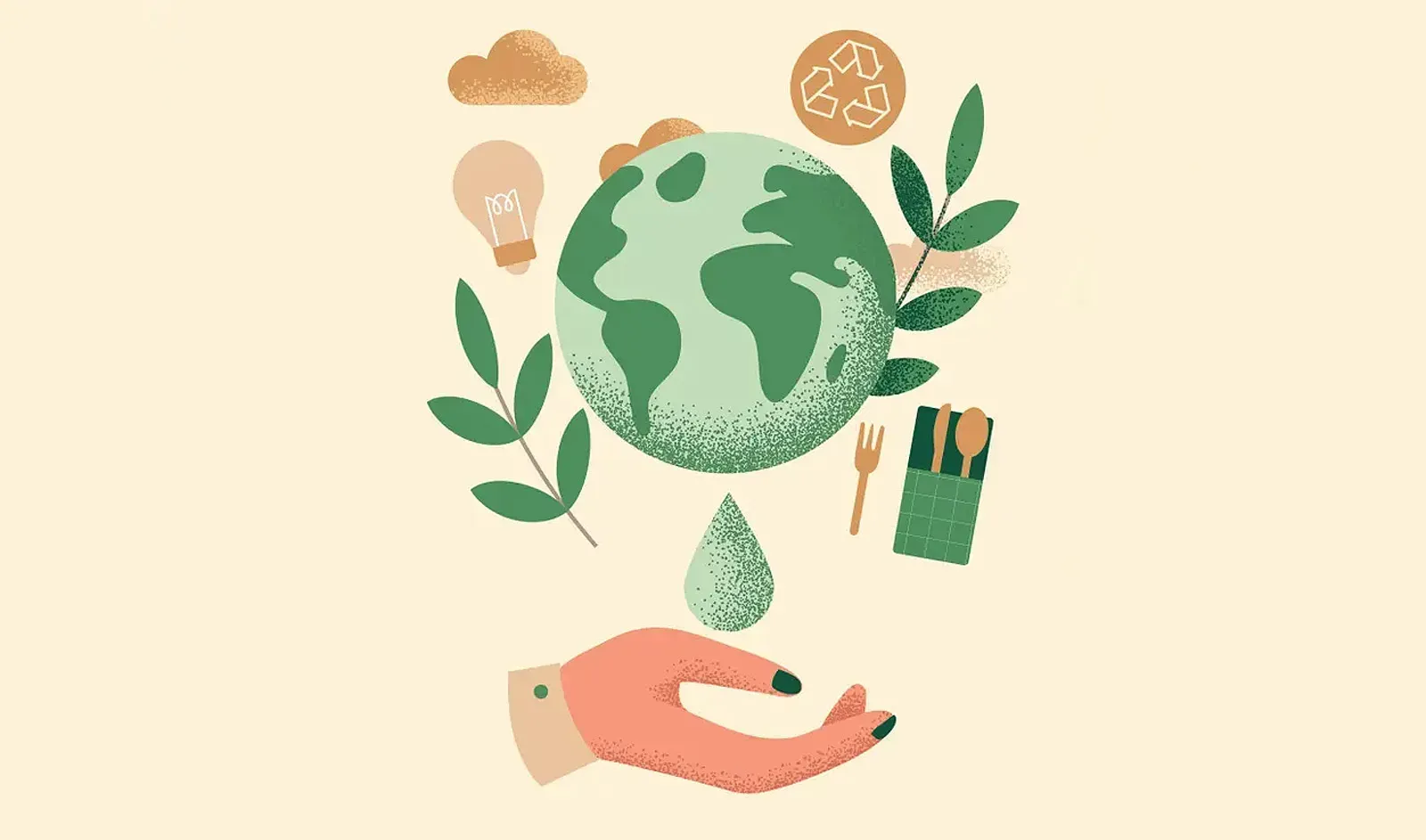
2. Natural, Earthy Colors Besides eliminating environmentally harmful plastics, many brands continue the eco-trend by using natural, earthy colors. Earth tones are popular in niche industries such as organic foods and are common in cosmetic packaging. However, recently, brands outside the organic market have been using natural colors to capitalize on the sustainability movement. Since organic products have used this color palette for years, it has become synonymous with “healthy” and “natural.” Use colors like low-saturation browns, blues, and greens to showcase sustainable product packaging and your brand’s commitment to the Earth.
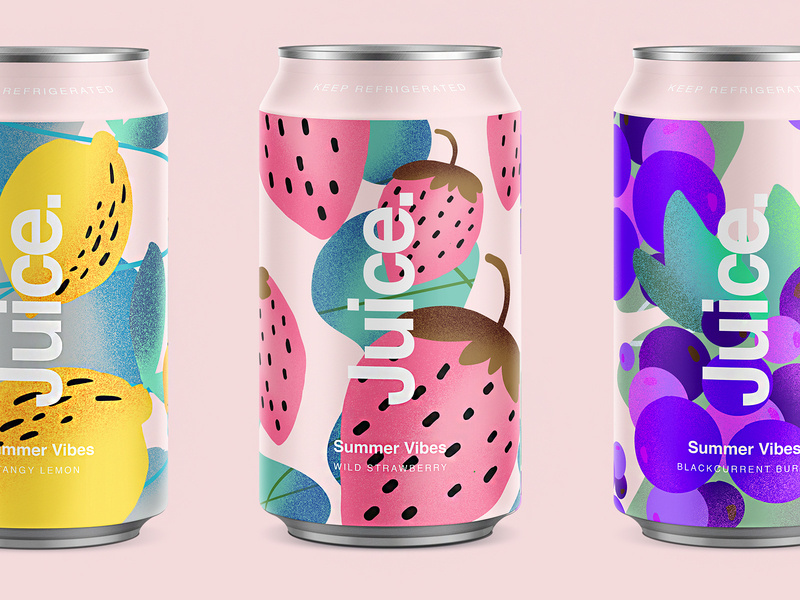
3. Illustrated Labels In many ways, we have entered a creative economy. Even left-brained individuals are becoming more expressive in their daily lives. In packaging, the boundaries between creativity and commerce are blurring, transforming the landscape and operational space of brands. The use of illustrations in packaging design depends on the category and competitive environment. Standing out on the shelf is impossible if you look like everyone else.
4. Minimalism Minimalism is not new. Minimalist motifs have been present in art since the 1950s. Brands like Apple and Nike have utilized them from the very beginning. The minimalism trend has appeared and disappeared several times, but it now seems to have found a permanent place in selected CPG categories. Minimalist packaging designs create a direct and uncluttered experience with the product. Wild designs or patterns do not overwhelm customers looking at your packaging. Everything is straight to the point. It shows purity, neatness, organization, and transparency—all of
which make consumers feel warm and fuzzy. The challenge with minimalist designs is differentiating the brand from others. How will you stand out from the neighboring product if the category motif is a simple white layout with a black serif font? It is hard to do if the packaging follows the same pattern. Many brands incorporate color into their minimalist designs, helping them break away from the mold.
5. Maximalism Maximalism is a newer trend in product design that embraces everything in excess. These “more is more” packaging designs feature more frills, bright colors, embellishments, and contrasting patterns to provide consumers with a visual feast. In categories where minimalism has become the norm, maximalist designs can make products look unique against the competition. Brands embracing maximalism fill as much packaging space as possible with patterns, typography, and colors. It’s a bold move, but sometimes people remember bold moves.
6. Retro Spirit The modern world isn’t always great. That’s why many brands opt for retro designs that evoke nostalgia. Old trends remind people of simpler times, before cell phones and laptops ruled their lives. Retro style makes products seem stable and enduring, as if they have stood the test of time. It gives consumers a sense of security and recalls memories of the good old days. Every year, new, trendy, and bold ways to make a statement with packaging emerge. Understanding the product and the client’s brand, as well as the competition on the shelves, determines the direction we will take.